Labubu, the Quiet Global Icon

How Pop Mart’s low-key collectible became a global branding benchmark across the UK, Saudi Arabia, and Asia.

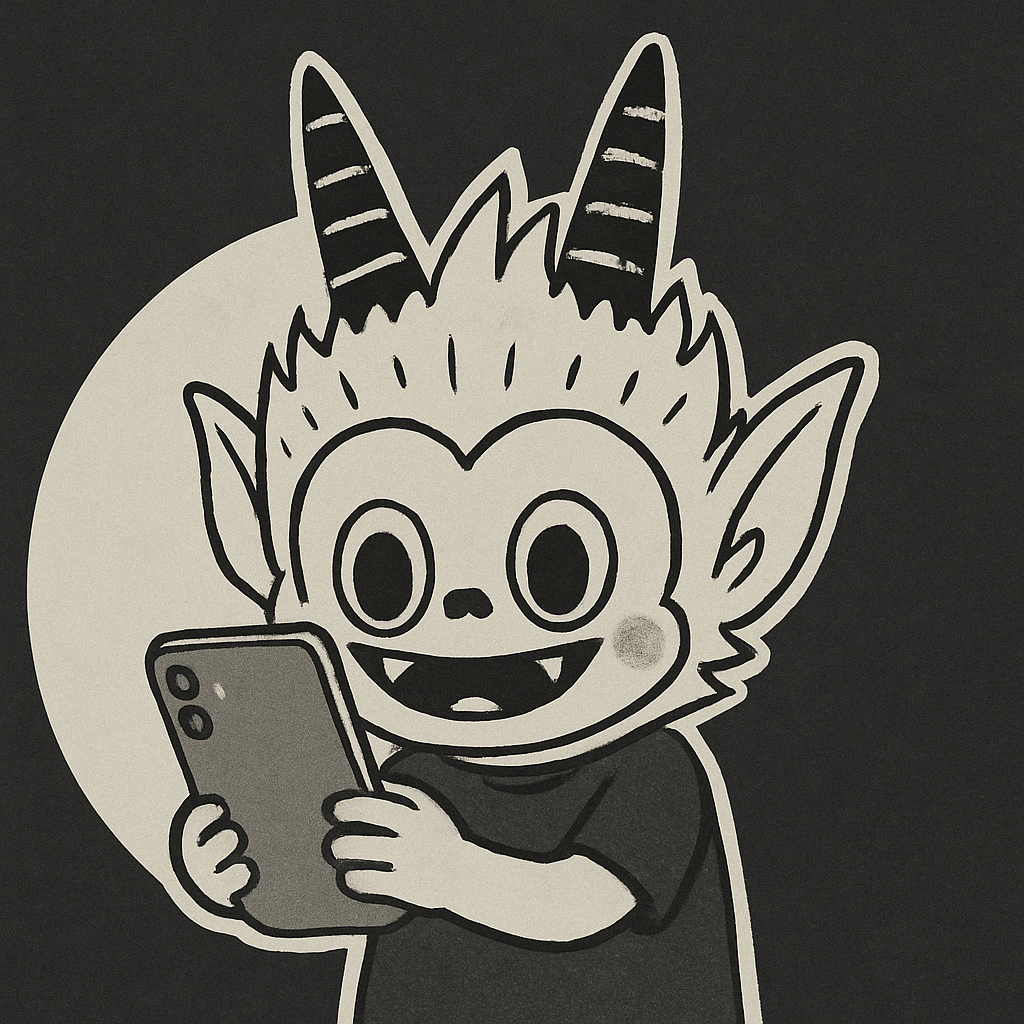
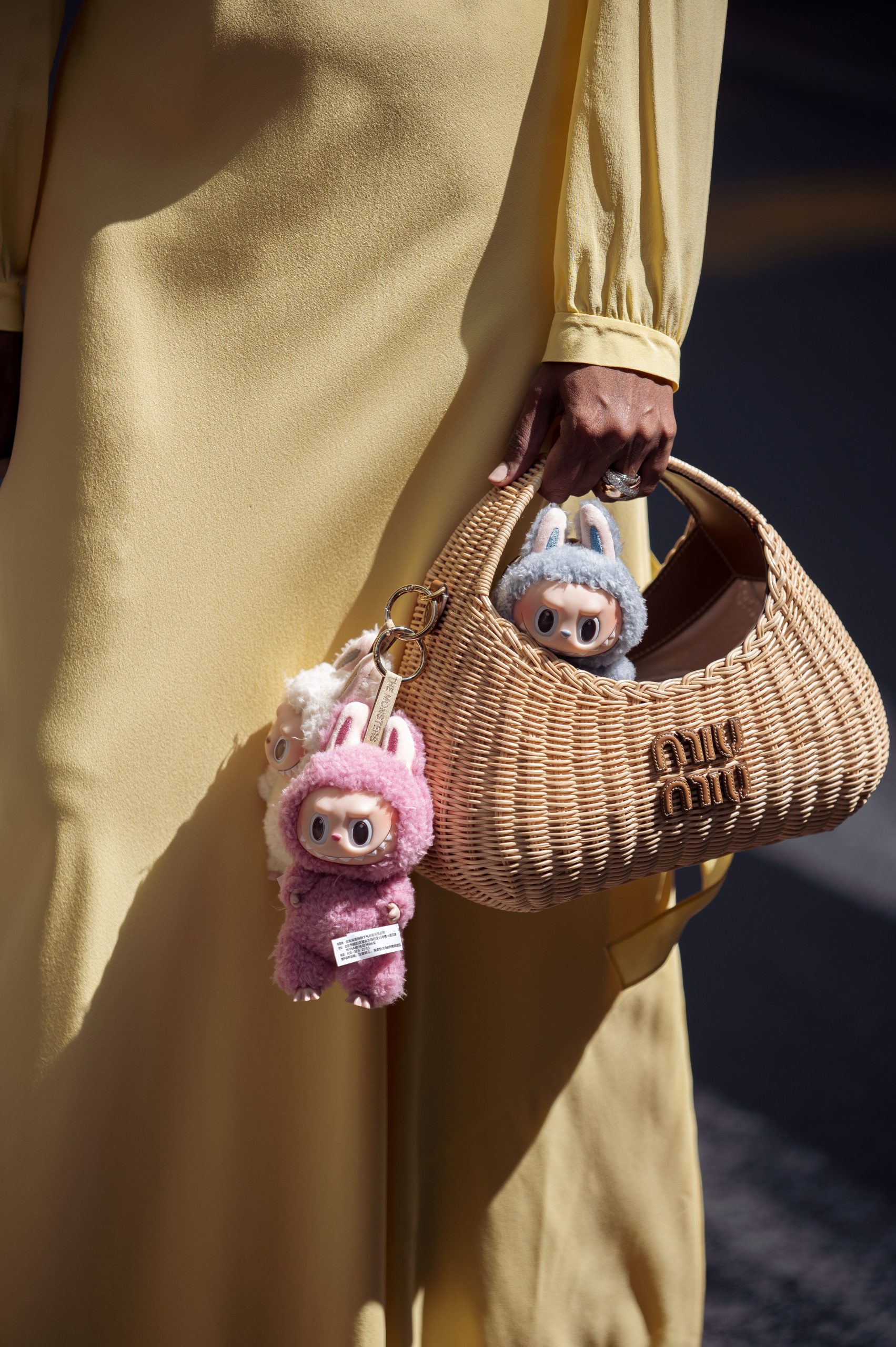
In an oversaturated market of digital distractions, few collectibles manage to break through with real emotional depth. Labubu—an odd, nostalgic plush figure designed by artist Kasing Lung and produced by Pop Mart—did more than just sell. It connected. By 2025, it became a billion-dollar case study in how emotional branding, minimalist design, and strategic scarcity could transcend cultures and spark a global movement.

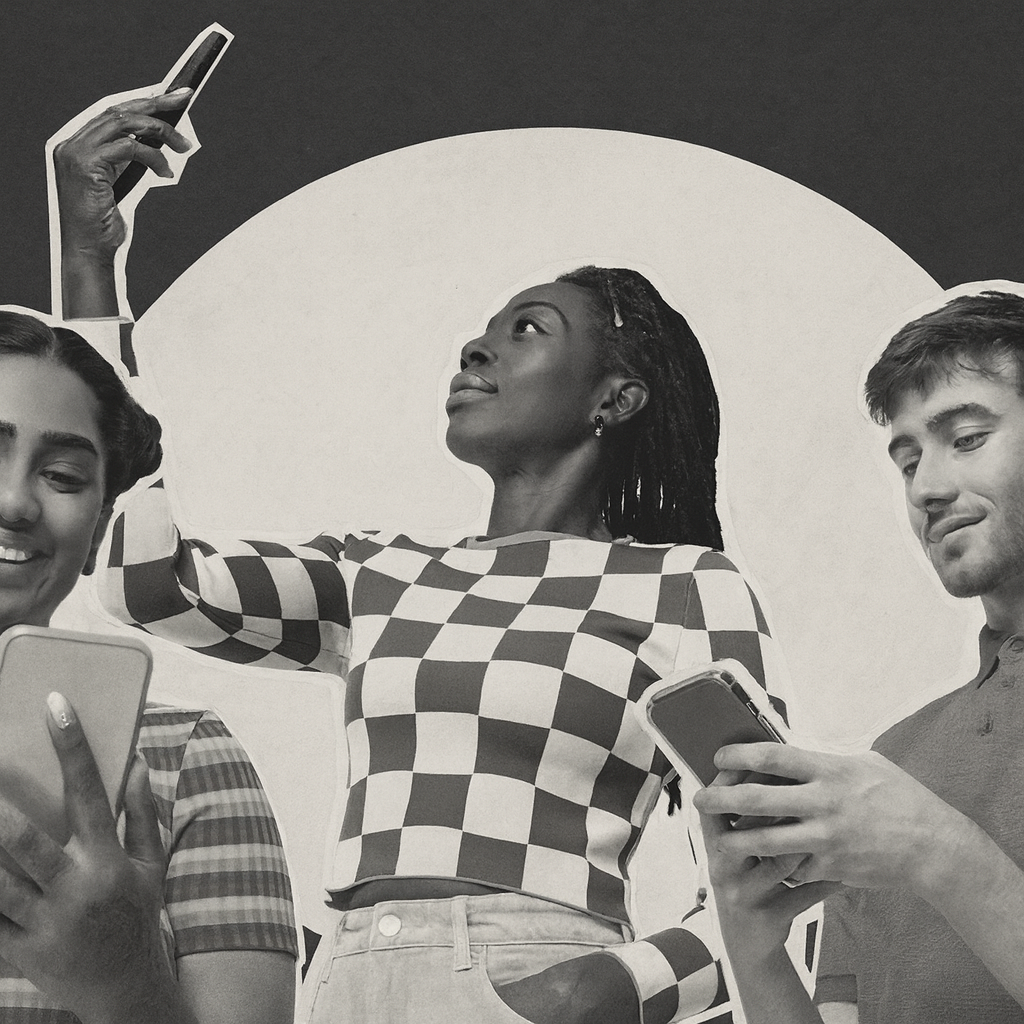
From Beijing to London, Riyadh to Tokyo, Labubu’s appeal wasn’t driven by loud marketing or IP licensing. It spread through community, collectibility, and curiosity. And it found fans among both design-savvy collectors in the UK and digitally expressive Gen Z buyers in the Middle East.

This cross-cultural resonance didn’t happen by accident. It’s the result of Pop Mart’s ability to understand global behavior and package emotion as a product—without saying a word.

Why Labubu Worked (and Still Does)

Labubu is more than a toy—it’s a feeling. With no official backstory, fans were free to assign their own meaning. This open-ended character design gave Pop Mart enormous flexibility across cultures, markets, and generations.

In Saudi Arabia and China, Gen Z collectors embraced Labubu as a form of digital self-expression—quirky, nostalgic, and aesthetic. Meanwhile, in design-conscious markets like the UK and Japan, its minimal, art-toy look was seen as high-concept and collectible.

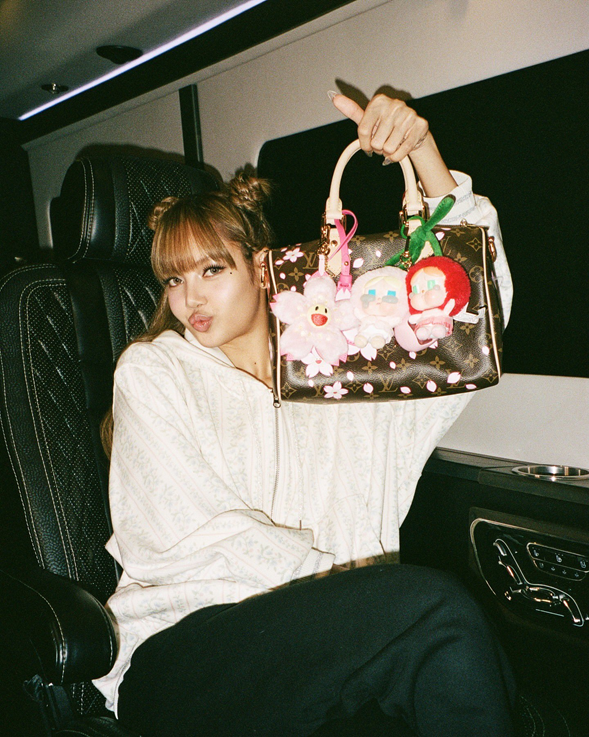
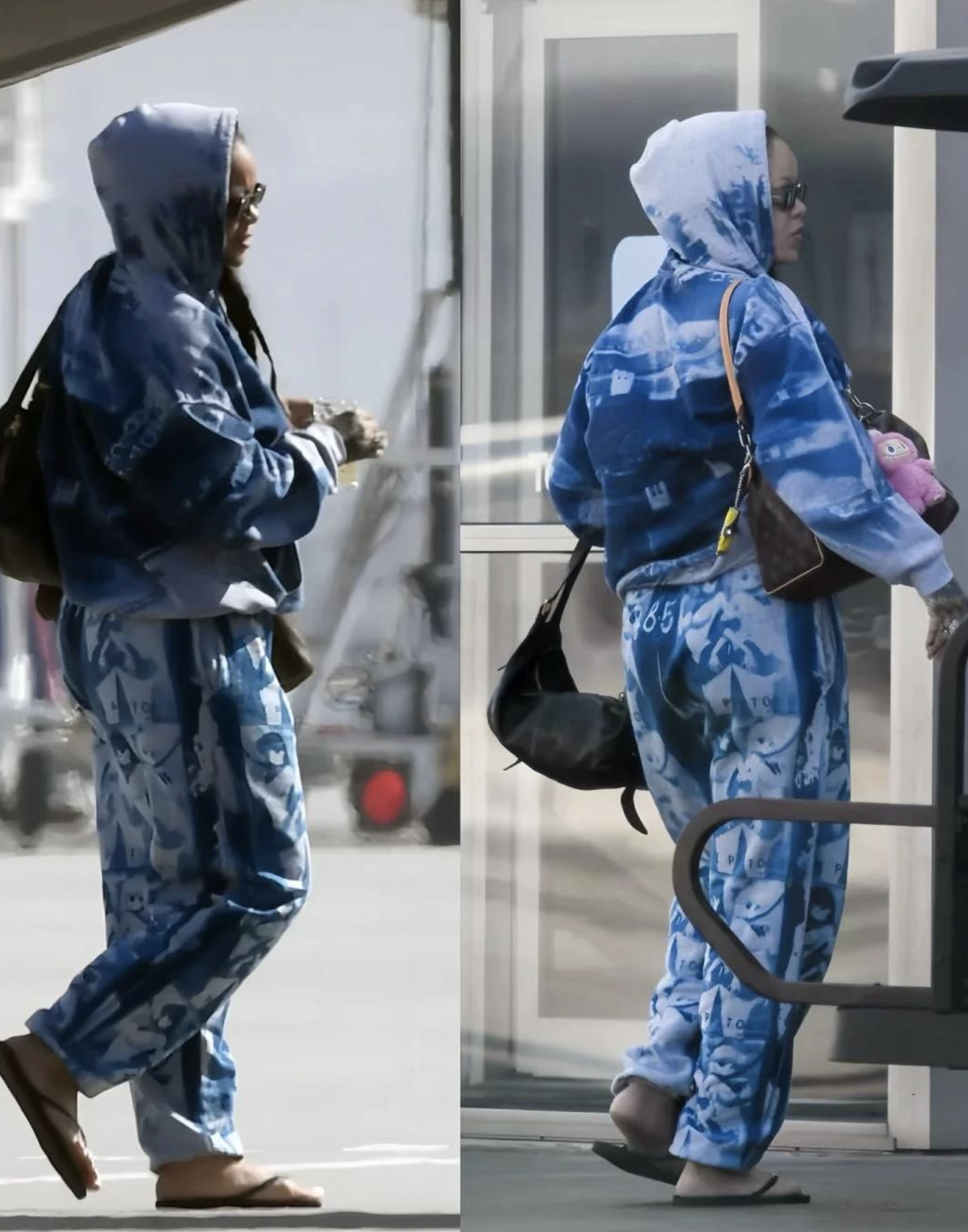
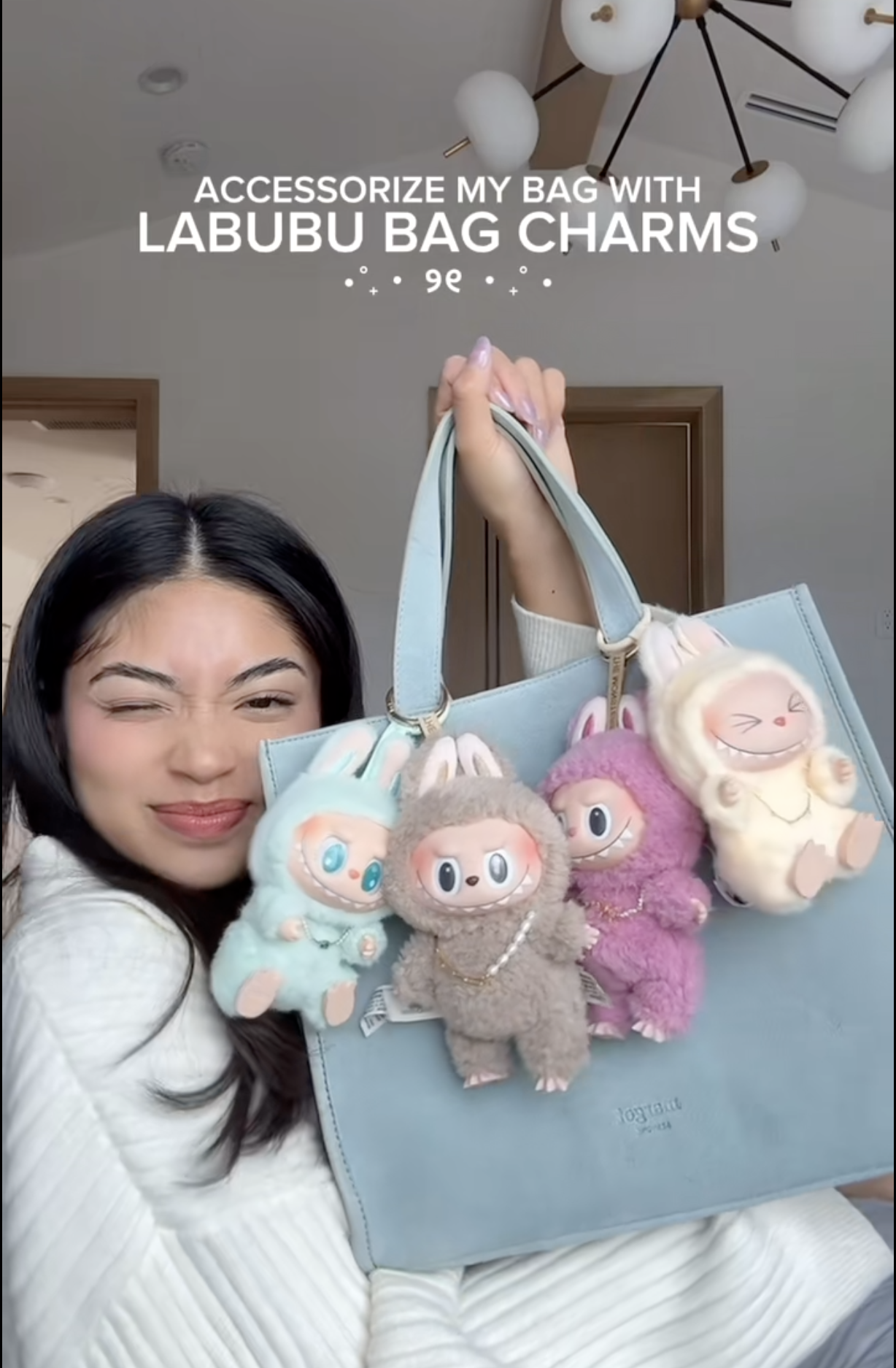
Influencer culture helped push Labubu into mainstream visibility. Celebrities like BLACKPINK’s Lisa and Rihanna have shown off their designer toys and Pop Mart boxes on social media, while luxury influencers like Mr. Bags and Becky Li created real traction by featuring rare drops and unboxing content.

Labubu’s global growth didn’t rely on language, licensing, or localization. Instead, it was powered by emotional branding, digital communities, and a strategy that made consumers feel like curators—not just buyers.

Labubu Price Evolution (2019–2025)

When Labubu launched in 2019, blind box figures retailed for just $9–12 USD. But as collector hype grew, the rarest versions started to command four- and five-figure resale prices—particularly in markets like China, Saudi Arabia, and the UK.

By 2025, Pop Mart’s most iconic Labubu figures saw secondary market prices exceed $70,000 USD, turning emotional appeal into high-performing collectible investments. Below is a visual breakdown of this price evolution over time:
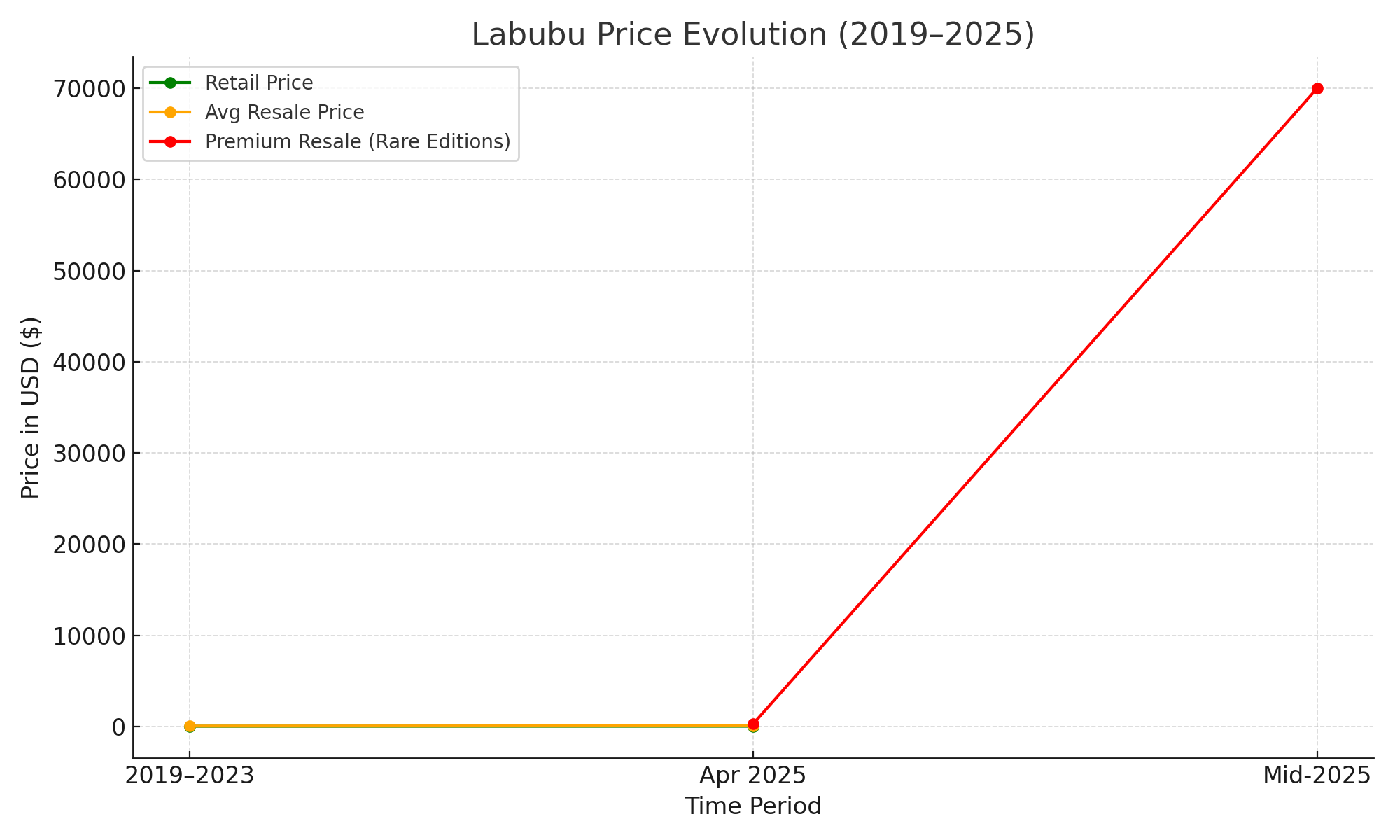
Labubu Price Chart 2019 to 2025

Source: Pop Mart Investor Reports, SCMP Collectibles Index, EqualOcean, CNBC, FT, eBay resale data

The 4Ps That Built Labubu’s Brand

Product Icon

Product

Designed by Kasing Lung, Labubu had no licensed IP and no backstory—just a visually arresting, emotionally ambiguous form. This made it open to interpretation, turning the product itself into a storytelling device.

Price Icon

Price

Starting under $12, Labubu blind boxes created dopamine-rich reward cycles. Rare versions saw resale values surge to $70K+, activating the Veblen Effect and turning toys into status assets.

Place Icon

Place

Distributed globally through flagship stores, airport pop-ups, TikTok shops, and e-commerce. Labubu became accessible in cities like London, Jeddah, and Shanghai—without translation or local adaptation.

Promotion Icon

Promotion

Pop Mart avoided traditional ads, leaning into surprise drops, social media unboxings, and influencer seeding with creators like Lisa and Rihanna. This fueled community-led demand and digital virality.

How Pop Mart (Labubu) Stacks Up Against the Global Giants

By 2025, Pop Mart’s success with Labubu positioned it as one of the world’s fastest-growing toy companies. While names like Funko, Bearbrick, and KAWS have historically dominated the collectible toy space, Pop Mart disrupted the hierarchy with emotional branding, high-volume blind box sales, and influencer-driven reach.

Here’s how Labubu compares with some of the biggest names:

BrandOriginEst. 2025 RevenueAvg Resale ValueCore Strategy
Pop MartChina$1.6B+ USDUp to $70,000Blind box scarcity, influencer marketing
FunkoUSA$1.1B USD$15–$500Licensed IP collectibles, mass retail
BearbrickJapan~$300M USD (est.)$200–$15,000Limited editions, artist collabs
KAWSUSAN/A (art market)$5,000–$250,000High-art drops, luxury collabs

Pop Mart’s edge comes from creating IP they fully own. Unlike Funko, which relies on licensed franchises, Labubu builds equity from its original design — increasing both margin and brand longevity.

Pop Mart is also younger and faster: founded in 2010, it went public on the Hong Kong stock exchange by 2020 and now exports to over 30 countries — outperforming legacy players in cross-cultural adaptability.
Funko Logo
Bearbrick Logo
KAWS Logo
Pop Mart Logo

Global Art-Toy Market Outlook

The global art-toy market has evolved from a niche design trend into a $35+ billion powerhouse intersecting fashion, gaming, and fandom. In 2025, demand continues to rise in both emerging and mature markets — particularly in Asia, the UK, and the GCC.

According to Statista and FT reporting:

  • The global toy collectibles market is projected to grow at 10.2% CAGR through 2028
  • China remains the largest single market, followed by the US, UK, and Saudi Arabia
  • Gen Z and Millennial consumers make up over 72% of all designer toy buyers

Pop Mart’s Position:
With its blind-box model and strong original IP portfolio, Pop Mart holds a first-mover advantage in high-emotion, unlicensed collectibles. It combines the brand equity of an art studio with the scale of a tech-powered retailer.

Key Growth Drivers:

  • Emotional connection over IP dependency
  • Viral unboxing culture on TikTok and Instagram
  • Fast-paced product launches aligned with cultural moments
  • Cross-border shopping via platforms like TikTok Shop and Pop Mart Global

Pop Mart’s ability to control design, distribution, and community storytelling makes it one of the most scalable and culturally fluid players in the space — especially as Western markets shift toward original collectibles over licensed IP.

Omar Abbas
Labubu - The Feeling by Omar Abbas

Strategic Takeaways for Brand Builders

Labubu is more than a collectible — it’s a case study in scalable, emotionally intelligent branding. For marketers, brand consultants, and founders, the following principles offer a transferable playbook:

  • Don’t over-explain. Leave room for your audience to project meaning. Ambiguity can drive emotional ownership.
  • Scarcity fuels desirability. Use limited releases, drops, and rarity to spark demand cycles.
  • Community-first strategy. Build hype through creators, not ads. Let the audience become the marketers.
  • Global-first design. Avoid heavy localization. Design emotional, universally visual products.
  • Design as storytelling. When your product looks unique, you don’t need words — you create myths through form.

Whether you’re building a fashion label, a wellness startup, or a digital app — these principles scale across verticals. Just like Labubu, great branding connects before it converts.

The Psychology & Financial Power Behind Pop Mart’s Model

Pop Mart didn’t just sell toys — it sold possibility. The blind-box model taps into behavioral science to keep customers engaged, spending, and emotionally invested.

  • Herd Mentality: When others showcase their collections online, we feel social pressure to join the movement — a key driver of digital FOMO culture.
  • Content Amplification: Unboxing videos, especially from influencers and fans, add virality and emotional reinforcement to each drop.
  • Dopamine Loops: The act of opening a blind box creates a gambling-like reward cycle. This repeated behavior mimics patterns seen in slot machine psychology.
  • Gambler’s Fallacy: Buyers often believe that “the next box” will contain the rare item — driving repeated purchases and spiking total order values.
  • Instant Gratification: Quick-hit purchasing with visible rewards satisfies the Gen Z preference for fast emotional feedback and shareable moments.

In combining these psychological triggers with high design and smart branding, Pop Mart created not just a product — but a behavior loop. And for marketers, this is where finance meets feelings.

Influencers, Unboxings & Herd Mentality

Labubu’s rise wasn’t fueled by ad spend — it was powered by the crowd. From TikTok unboxings to high-end collector reels, Pop Mart turned its buyers into marketers. The herd effect became a feature, not a bug.

  • Influencer Adoption: Global icons like Rihanna, Lisa (BLACKPINK), Mr. Bags, and Becky Li have posted their Pop Mart collections, pushing Labubu into luxury relevance.
  • Peer Pressure: When your feed is full of others showing off rare figures, the pressure to participate kicks in — especially for younger users in Saudi Arabia and the UK.
  • Community = Value: Labubu’s worth is amplified not just by rarity, but by visibility. The more it circulates on social, the more prestige it holds.
  • Emotional Loop: Filming and sharing the unboxing process creates a feedback loop that validates the buyer and inspires the next wave of purchases.

What used to be “just a toy” is now a form of identity signaling. In a digital-first world, owning — and showing — Labubu is social proof of taste, access, and trend fluency.
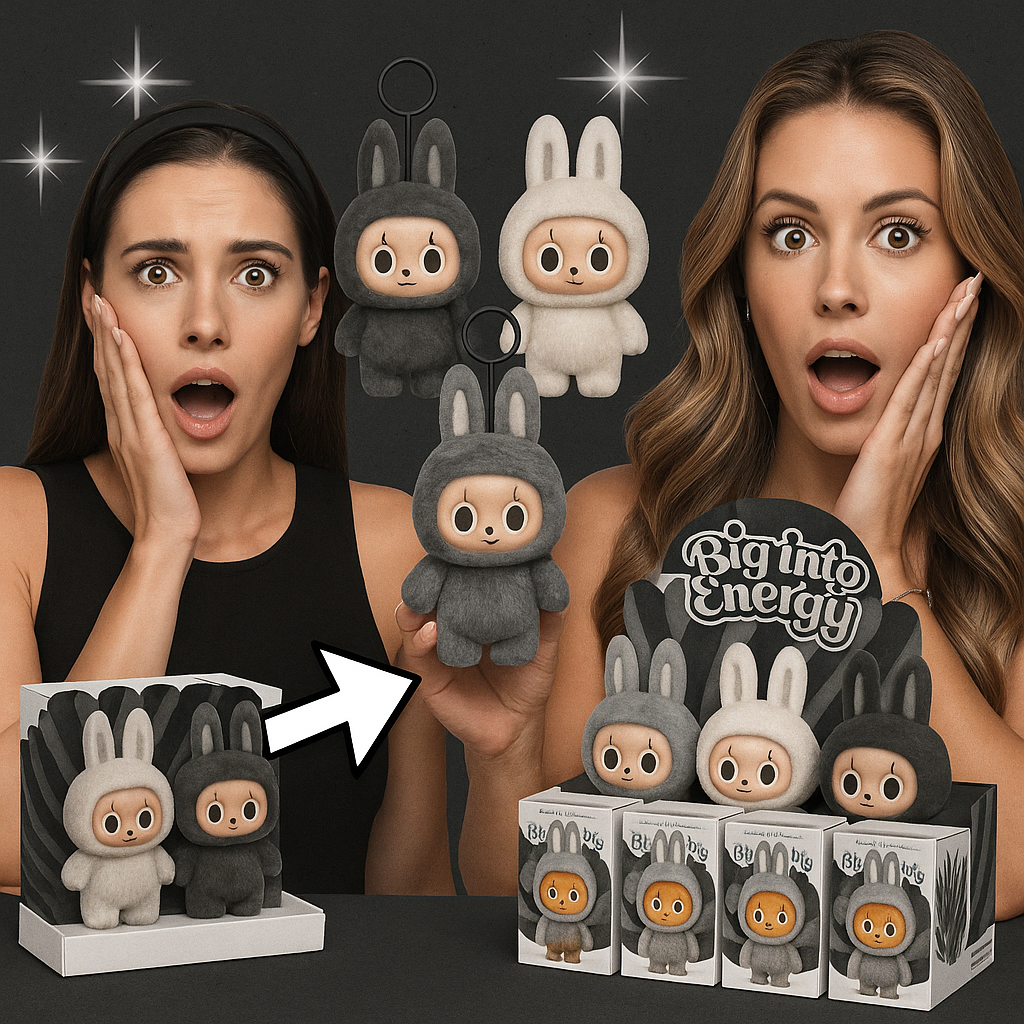
Labubu Viral Marketing Example

Licensing Strategy & What Brand Builders Can Learn from Pop Mart

While many global collectible brands depend on licensed IPs — from Funko’s Marvel figures to Lego’s Star Wars — Pop Mart chose a different path. It built powerful emotional IPs like Labubu and Skullpanda from scratch, allowing it to control every part of the branding ecosystem.

And yet, Pop Mart didn’t close the door on collaboration. Strategic licensing partnerships with Disney, Universal, and Sanrio gave them access to fanbases — without becoming reliant on them.

  • Homegrown IP = Brand Longevity Labubu isn’t tied to a movie release. It’s evergreen, scalable, and fan-owned.
  • Mixing IP Models — The coexistence of original and licensed IPs future-proofs Pop Mart’s revenue and cultural relevance.
  • Speed + Control — Owning the design means faster launch cycles, fewer restrictions, and higher profit margins.

Strategic Implications for Brand Builders

  • Build brand equity, not dependency. If your product needs a licensing deal to sell — it’s not a brand, it’s a permission slip.
  • Design is power. Create ownable assets that can travel across cultures, formats, and platforms.
  • Partnerships are a boost, not a base. Use collabs to expand, not define, your identity.
  • Make IP your moat. Long-term value lives in what you own, not what you rent.

Pop Mart didn’t just sell figures — they sold their universe. And for any brand builder, that’s the gold standard.

Your next step starts here!

Let’s connect to bring your ideas to life with strategic thinking, compelling design, and tailored digital solutions. Book a free consultation to discuss your project and how we can build a brand experience that stands out.