

London Marketing Guide · 2026

How to Choose the Right Marketing Consultant in London (2026 Guide)

You’re running a solid business in London. Sales are steady. But growth has plateaued. You know marketing is the lever — but your team is stretched thin, or you don’t have one yet. So you’re thinking: should I hire a marketing consultant?

The answer is probably yes. But here’s the hard part — London has thousands of marketing consultants. Some are exceptional. Some charge £1,000 a day and deliver nothing. Some specialise in areas you don’t need. How do you tell the difference?

This guide walks you through exactly how to choose the right one for your business.


Why You Actually Need a Marketing Consultant (Beyond What You’ve Heard)

Before we get into selection criteria, let’s be clear about why a marketing consultant matters.

Studies show that 22% of failed businesses cite poor marketing strategy as the primary cause of failure. For every 100 startups that fold, roughly one-fifth folded because their marketing approach was wrong.

You don’t need more marketing activity. You need better marketing strategy.

Many London business owners throw money at ads without a positioning strategy. They post on social media with no clear narrative. The activity looks like marketing. It’s not. It’s noise.

A good marketing consultant doesn’t generate noise. They do three things:

  • Diagnose your actual position in the market — not where you think you are, but where clients actually see you.
  • Map a clear route to growth — with specific metrics, timelines, and investment amounts. That’s exactly what a solid go-to-market strategy delivers.
  • Execute or oversee execution — so strategy doesn’t die in a deck. It lives in your business.

Business meeting in London office — hiring a marketing consultant for growth strategy

What to Look For: The Five Non-Negotiables

01

Proven Experience in Your Industry (or a Related One)

This is the first filter. Does the consultant actually understand your world? Your buyer’s journey, sales cycle, and competitive landscape are specific to your sector. A consultant who built personal brands for fitness coaches can’t advise a fintech startup the same way.

What to ask

“What industries have you worked in most?”

“Can you walk me through a project similar to mine?”

“How long did you work in that space?”

Listen for specifics — not “we’ve worked with tech companies” but “we ran go-to-market strategy for 12 SaaS companies from £500k to £5m ARR and averaged a 40% increase in qualified leads in year one.”

02

Clear Position on What They Do — and Don’t Do

A consultant who claims to do everything is saying they do nothing well. Some specialise in paid ads. Others in brand positioning and identity. Some in content, some in market entry. The best ones own their lane.

Red flags

“We do full-service marketing.” Vague. Problematic.

“We work with any business in any industry.” Volume over results.

“We handle everything from social to product.” No, you don’t.

Green flags

“We specialise in B2B go-to-market for Series A startups.”

“We build brand positioning for founders.” Clear scope.

“We audit strategy for 5–50 person teams, then implement.”

In London’s consultant market, specialists win. Find one who knows their lane.

03

A Track Record You Can Verify

Ask for case studies. Ask for references. Actually call the references.

What to ask for

“Can I see three case studies with businesses similar to mine?”

“What specific metrics improved — and over what timeframe?”

“Can I speak to two clients from my industry?”

“How long did it take to see results?”

“We worked with a London B2B MarTech company on 30 leads a month. Repositioned their messaging, rebuilt the site, launched a content strategy. Six months later: 120 qualified leads. Here’s the case study. Here’s a client you can call.”

That’s the standard. Browse a portfolio of work with London businesses to see what verified delivery looks like.

04

Honest Diagnosis Before the Pitch

Before pitching you a £10,000 project, a consultant should want to understand your business. That takes time. It’s how you know if they care about fit — not just their pipeline.

Red flag

Pitches a full rebrand before asking a single question about your goals or strategy.

Green flag

Diagnoses first — sometimes realises you don’t need their services, and tells you. That’s trustworthy.

05

Communication Style That Matches Your Pace

You’ll be spending real time with this person. Weekly calls. Email threads. Feedback cycles. If their style exhausts you in the first conversation, the project will too.

What to ask

“How often will we communicate?”

“How do you prefer feedback — calls, email, written docs?”

“How long does it take to turn around deliverables?”

“What happens if I need something urgently?”

Do they listen more than they talk? Do they ask about your goals or pitch their process? Do you feel heard — or sold to? Trust your instincts here.
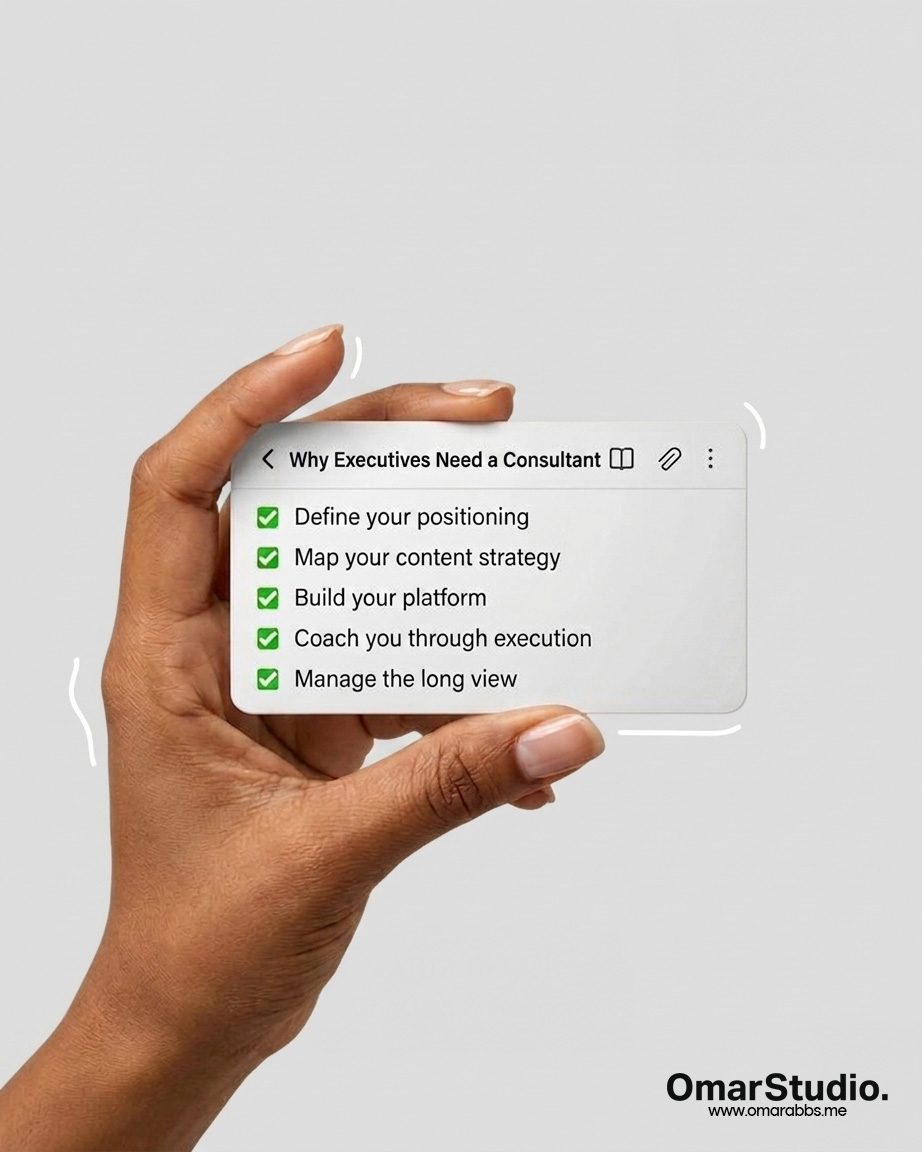
Five criteria checklist for choosing the right marketing consultant in London

The Cost Trap (And How to Avoid It)

Here’s what often happens. You get three quotes and your first instinct is to go with the cheapest. Stop.

Consultant A

£2,000/mo

Monthly retainer

Consultant B

£350/day

25 days = £8,750/mo

Consultant C

£500 flat

Brand audit, fixed fee

Price doesn’t correlate with value. A £500 audit from someone junior won’t give you the insight a £2,000 audit from someone experienced will.

Project-based engagements (strategy, website, go-to-market launch)

  • £3,000–£8,000 — small projects (strategy + deliverables)
  • £8,000–£20,000 — medium projects (6–8 weeks of work)
  • £20,000+ — larger projects (complex strategy, full implementation)

Retainer-based work (ongoing strategy + execution)

  • £1,500–£3,500/month — fractional support
  • £3,500–£7,000/month — substantial ongoing support
  • £7,000+/month — full-time equivalent roles
Red flags on pricing

“Our package is £99 for a full brand strategy.” No serious consultant prices like this.

“We don’t discuss pricing upfront.” Avoid.

“Everyone pays the same regardless of scope.” They’re not tailoring to your needs.

Green flags on pricing

“The investment depends on scope. Here’s what I typically see for projects like yours…”

“I offer both project and retainer models. Let’s discuss what fits.”

“Here’s what you get, the timeline, and the outcomes to expect.”

Red Flags to Walk Away From

Even if someone ticks most boxes, walk away if you see any of these.

1They guarantee rankings without qualification

“We’ll get you to page one of Google in 30 days.” No one can promise this. If they do, they don’t understand how SEO works.

2They won’t discuss timeline realistically

A good consultant says: “You’ll see initial metrics in 4–6 weeks. Meaningful business impact takes 3–6 months.” Vague answers are a red flag.

3They have no opinion about your strategy

If they never push back or suggest a different direction, they’re not consulting. They’re just executing whatever you ask.

4They can’t explain what they do in simple terms

If a consultant needs 10 minutes of jargon to explain their approach, they don’t understand it well enough. Skip them.

5They’re vague about deliverables

“We’ll improve your marketing.” That’s not a deliverable. Real deliverables are: “A 30-page positioning framework, three landing page concepts, and a 90-day execution roadmap.”

How to Interview Marketing Consultants in London

You’ve narrowed down your list. Now interview them properly. These three questions reveal whether someone thinks deeply about strategy, learns from failure, and prioritises fit over money.

Three questions to ask

“What’s your process for diagnosing a business’s core marketing problem?”

“Tell me about a recent project where your approach didn’t work. What did you learn?”

“How do you know if you’re the right fit for a client?”

Listen for

Specificity — not generalities or buzzwords

Real project examples, not hypotheticals

Honest limitations (“This won’t work if…”)

Genuine interest in your business — do they ask questions back?

Ask for references. Call them. Ask these:

“What was the biggest thing they changed about your approach?”

“Did they deliver on time and on budget?”

“Would you work with them again — and why?”

Making Your Final Decision

You’ve done the research. You’ve interviewed candidates. You have maybe two or three strong options. Here’s the deciding factor.

Do you trust this person?

Not “is this person smart?” — they should be. But: can you have a difficult conversation with them? If your strategy isn’t working, will they tell you? If you’re being stubborn, will they push back? Can you be honest about budget constraints without them judging?

Trust matters more than credentials. It determines whether the engagement becomes a real partnership or a one-way transaction you resent three months in.

Practical tip

Start with a project — not a long-term retainer. A 6–8 week project is enough time to see if the working relationship actually clicks. If it does, extend or move to a retainer. If it doesn’t, you’ve kept your downside limited.

What a Personal Brand Actually Looks Like

Most people confuse visibility with a personal brand. They’re not the same thing. Here’s how to tell the difference — and why it matters when choosing who to work with.

A personal brand isn’t
  • A personal website that looks like a résumé
  • Posting on LinkedIn three times a week with no strategy
  • Self-promotion disguised as thought leadership
  • A polished highlight reel of your accomplishments
  • A logo and colour palette without positioning behind them
A personal brand is
  • A clear positioning statement — who you are, what you do, who you serve
  • Consistent presence on the platforms where your audience actually is
  • Content that demonstrates your expertise, not just announces it
  • Real relationships with others in your space
  • A reputation for being helpful, direct, and trustworthy

It’s the difference between “I’m a VP of Product” and “I help fintech teams move fast while staying compliant — I’ve done it at three companies. Here’s what I learned.” One is a title. The other is a brand.

The Bottom Line

The right marketing consultant in London isn’t the cheapest. It’s not the one with the flashiest portfolio. It’s the one who understands your business, has proven they can deliver in your space, communicates clearly, and — most importantly — prioritises your success over their margin.

The difference between working with someone good and someone mediocre is often the difference between stagnant growth and 50% year-on-year increases. Spend the time upfront. Ask the right questions. Verify the results. Trust your gut.

11+

Years across real businesses

95+

Clients across UK and GCC

8

Markets worked globally

Ready to talk? Work with a marketing consultant with 11+ years of experience across real businesses — not theoretical knowledge. No pitch. Just a conversation about your goals.
OmarStudio brand strategy team — London marketing consultant and brand strategist

Your brand is your most valuable asset

Most executives know they need a personal brand. Few actually build one. We help founders, VPs, and executives in London and across the GCC build brands that move the needle — real positioning backed by strategy, consistency, and measurable results.

Ready to be known for what you actually do?
No fluff. No empty promises. Just real strategy that builds your reputation over time.