
Social Media Branding in 2025: A Double-Edged Frontier

How personal branding and strategic content are reshaping visibility across the UK, Saudi Arabia, and beyond.

In a world flooded with content, social media has become the most powerful—and volatile—tool in a brand’s arsenal.
For businesses across London, Riyadh, and Dubai, it offers real-time connection, but also real-time consequences.
A single post can spark virality or backlash. For marketers like myself operating in UK and KSA markets,
it’s become clear: what you share, how you respond, and the tone you use can build or break your entire brand perception.

Whether you’re a personal branding consultant in London or a B2B startup in Riyadh,
social media strategy is no longer a side project—it’s your brand’s first impression.
The challenge in 2025 is navigating visibility with integrity, agility, and strategic depth.

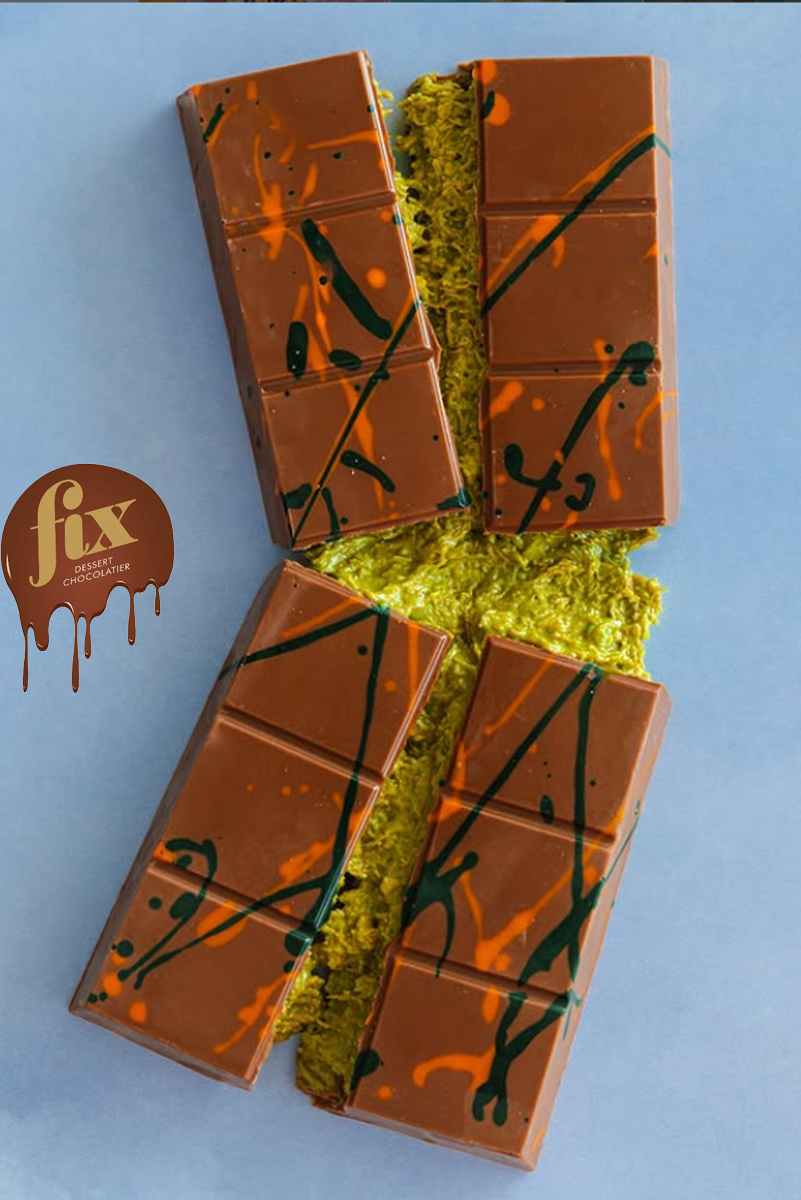
Dubai Chocolate Fix Dessert

Dubai Chocolate (Fix Dessert Chocolatier)

"Dubai Chocolate" went viral on TikTok in 2025, selling out in minutes and topping £2 million in online sales within 3 months.
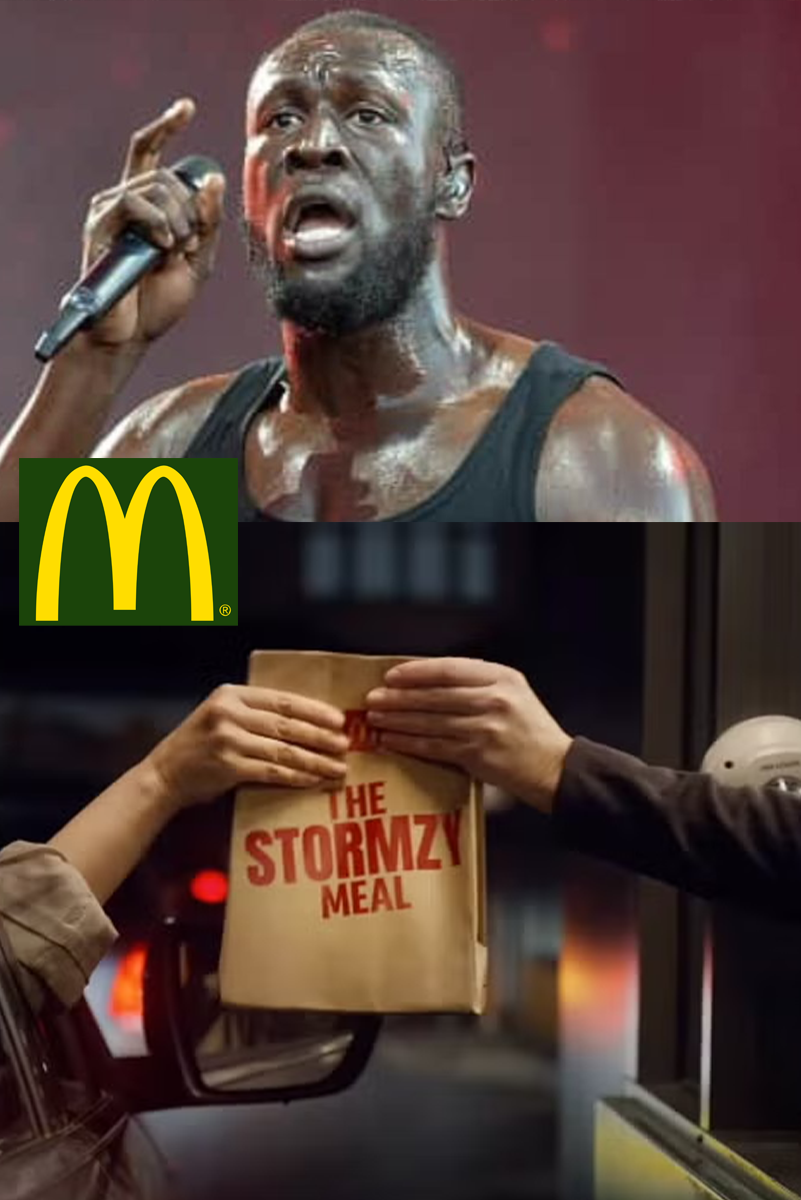
McDonald’s UK Stormzy Campaign

McDonald’s UK x Stormzy

In 2024, McDonald’s launched “The Big Mike Order” with Stormzy, sparking massive TikTok engagement and a 40% spike in youth footfall.
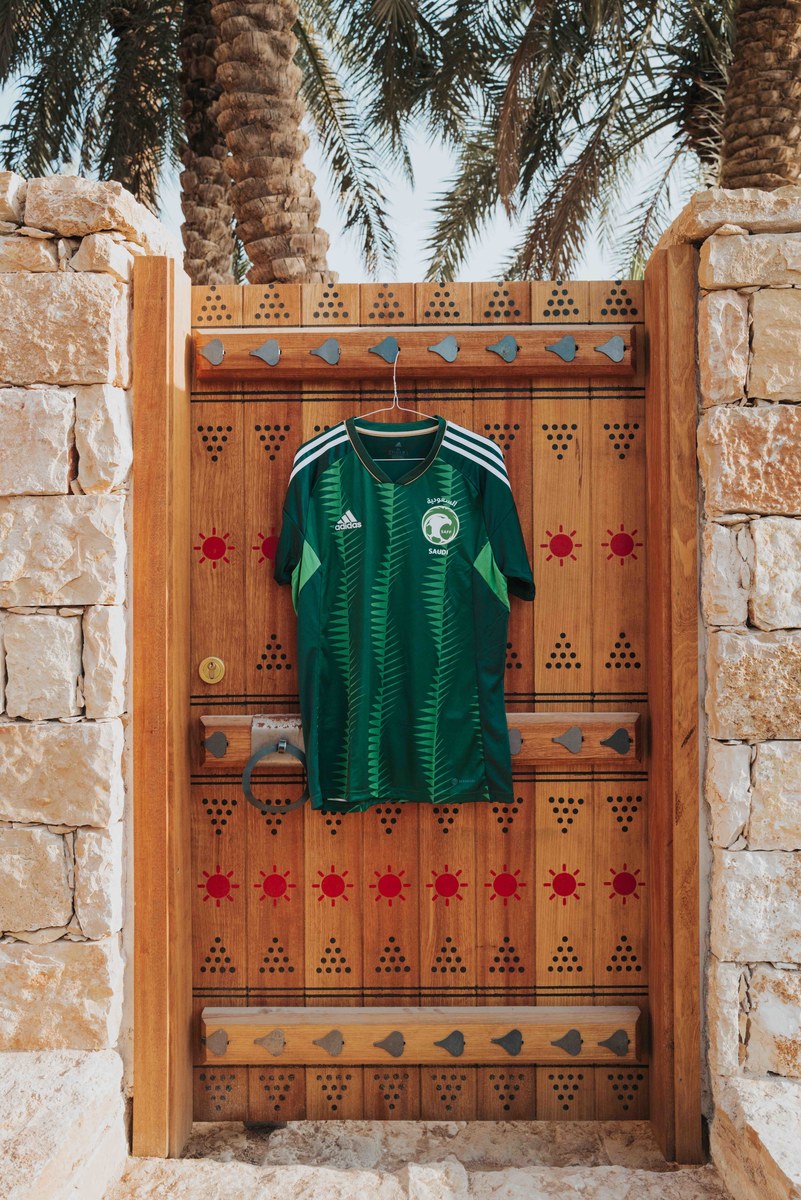
Adidas Saudi Football Kit Campaign

Adidas Saudi Arabia Kit (2023)

Adidas’ CGI kit reveal for Saudi Arabia’s 2023–24 football team went viral for merging national pride with heritage visuals, driving millions of views and record regional kit sales.

The Benefits: Real-Time Engagement & Brand Storytelling

Why social media remains essential for brand awareness, narrative control, and growth in 2025.

Social platforms offer unmatched opportunities to build brand equity in real time. From live responses to customer feedback
to storytelling that resonates emotionally, a strategic social media presence allows brands to engage, adapt, and evolve instantly.
Companies that craft a compelling voice and actively participate in conversation earn not just reach—but relevance.

A well-executed strategy doesn’t just boost likes or followers—it strengthens trust. In the UK and Middle East markets,
consumers are drawn to brands that feel human, responsive, and values-driven. Whether you’re launching a new product or
building a personal brand, consistent tone and responsiveness build lasting audience connection.

Nike remains a powerful example. Through storytelling, lifestyle positioning, and influencer partnerships,
they’ve kept their identity top-of-mind globally—without losing cultural specificity.

Omar Abbas Marketing Article Image

The Drawbacks: Negative Feedback Can Go Viral

How fast-paced platforms can damage brands reputation in seconds—if not handled wisely.

With great visibility comes greater risk. Social media can amplify negative reviews, complaints, or missteps to thousands—if not millions— within minutes. For brands operating across the UK and Saudi Arabia, where consumer expectations are evolving rapidly,
mishandling criticism can permanently damage brand trust.

Brands must monitor, respond, and de-escalate in real time. A delayed or defensive reaction often makes things worse.
The smartest brands today have crisis response plans, tone-of-voice guidelines, and escalation protocols in place—
ready to protect their digital presence when it matters most.

” As Warren Buffett said, “It takes 20 years to build a reputation and five minutes to ruin it.”

Starbucks serves as a strong case study: they consistently respond to customer feedback on social platforms with empathy, clarity, and professionalism—reinforcing their brand values even under pressure.


The Challenges: Trolls, Algorithms & Platform Fatigue

Why brands must stay agile against toxicity, visibility drops, and user burnout in 2025.

Beyond feedback lies the chaos—trolls, bots, and algorithm changes. Even the most well-intentioned brand can get dragged into
an online firestorm, often for no logical reason. These moments require restraint, moderation policies, and a clear plan to
protect both your audience and your team.

Add to that the algorithm rollercoaster: what works one month on Instagram or TikTok might vanish the next. Brands that rely
solely on organic reach often find themselves caught off guard by sudden drops in visibility. That’s why adaptability—across
platforms and formats—is now a core marketing skill.

Fatigue is also real. Users are overwhelmed, skeptical, and increasingly resistant to generic content. To earn their trust,
brands must become more intentional, human, and community-oriented—choosing quality over quantity in every post.

The Influencer Economy: A Double-Edged Sword

How influencers shape purchase behavior—and why trust matters more than follower count.

In 2025, influencers are no longer trendsetters—they’re brand architects. Whether you’re targeting Gen Z in London
or millennial buyers in Riyadh, a single shoutout can drive awareness, clicks, and conversions. But influence is fragile,
and reputation matters more than reach.

Brands must choose partners who align with their values—not just their metrics. A misalignment in tone or ethics can
damage your credibility faster than any negative review. This is especially important in sensitive markets like Saudi Arabia,
where cultural cues and authenticity are critical.

Gymshark nailed this early. By identifying emerging fitness voices before they went viral, they built long-term
loyalty and skyrocketed into a billion-dollar valuation. It wasn’t just marketing—it was community building.

Deep Dive: MKBHD and Tech Influence in the Digital Era

A case study in authenticity, trust, and how one YouTuber moves markets.

Marques Brownlee—known online as MKBHD—has built a global following of over 16 million subscribers on YouTube by consistently delivering honest, technically sound reviews of the latest gadgets. His voice carries weight with tech-savvy consumers, investors, and even major brands.

His recent review of the Pixel 6 Pro is a masterclass in balanced brand storytelling. He praised the phone’s design and software, but also openly highlighted flaws—like battery issues. That type of content doesn’t just drive views—it drives purchase decisions.

TechCrunch called him “one of the most respected voices in tech,” and brands like Google and Apple regularly coordinate their product launches around his coverage. Why? Because his credibility converts.
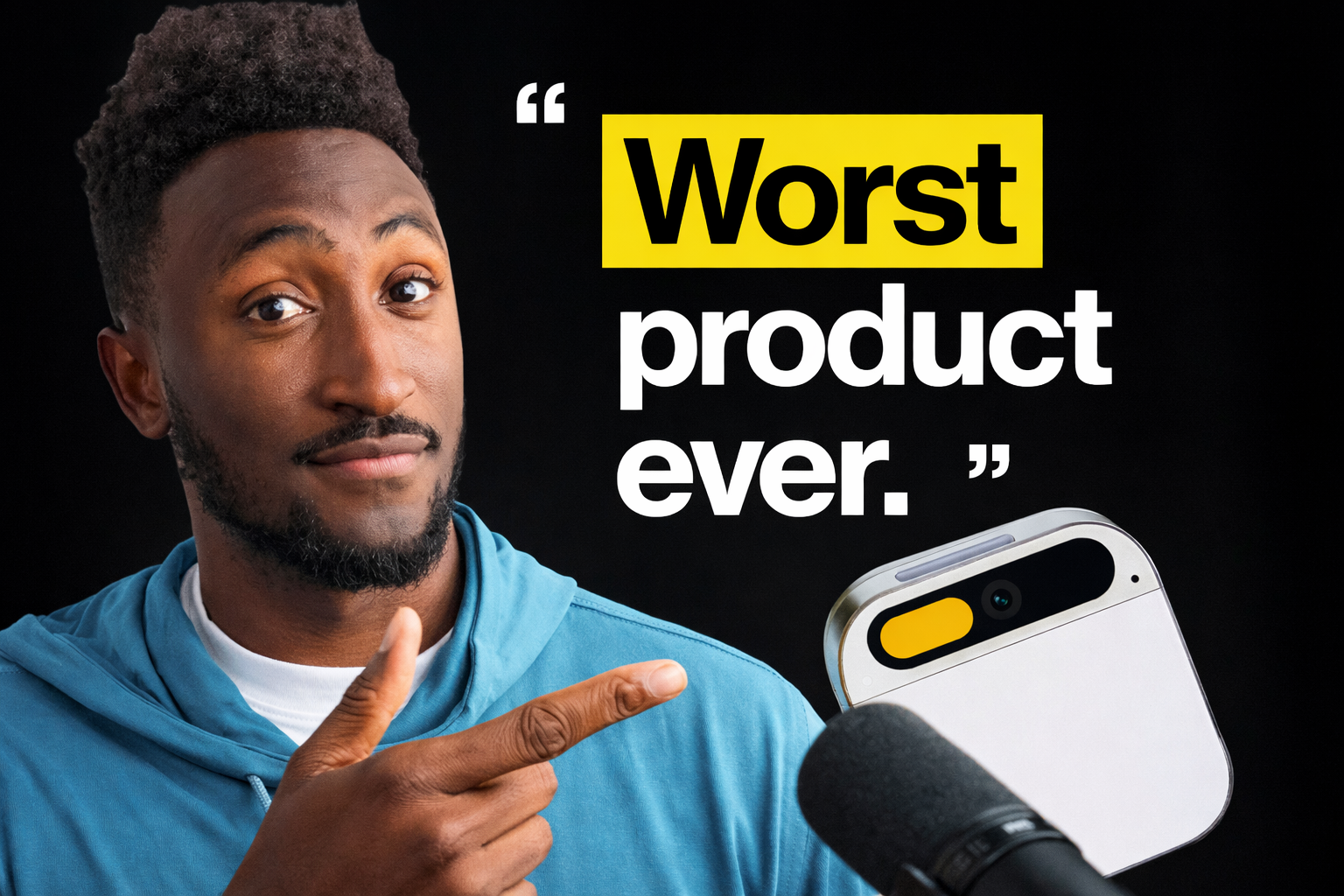
MKBHD Tech Branding Case Study

2025 Trends: What Smart Brands Are Doing

From personalisation to sustainability, here’s how winning brands are staying relevant this year.

Social media branding in 2025 isn’t about shouting louder—it’s about showing up smarter.
Leading brands are adapting to shorter attention spans, shifting algorithms, and rising expectations
for value-driven storytelling. What’s working now is subtle, strategic, and deeply aligned with audience values.

Micro-influencers, interactive content, AI-powered scheduling, and localised storytelling are dominating feeds—
especially in markets like the UK and Saudi Arabia, where cultural nuance plays a big role in digital engagement.

Smart brands are also investing in long-form content and community building. Instead of chasing trends,
they’re anchoring their presence in real connection, strategic consistency, and meaningful conversations.
It’s not about going viral—it’s about staying valuable.

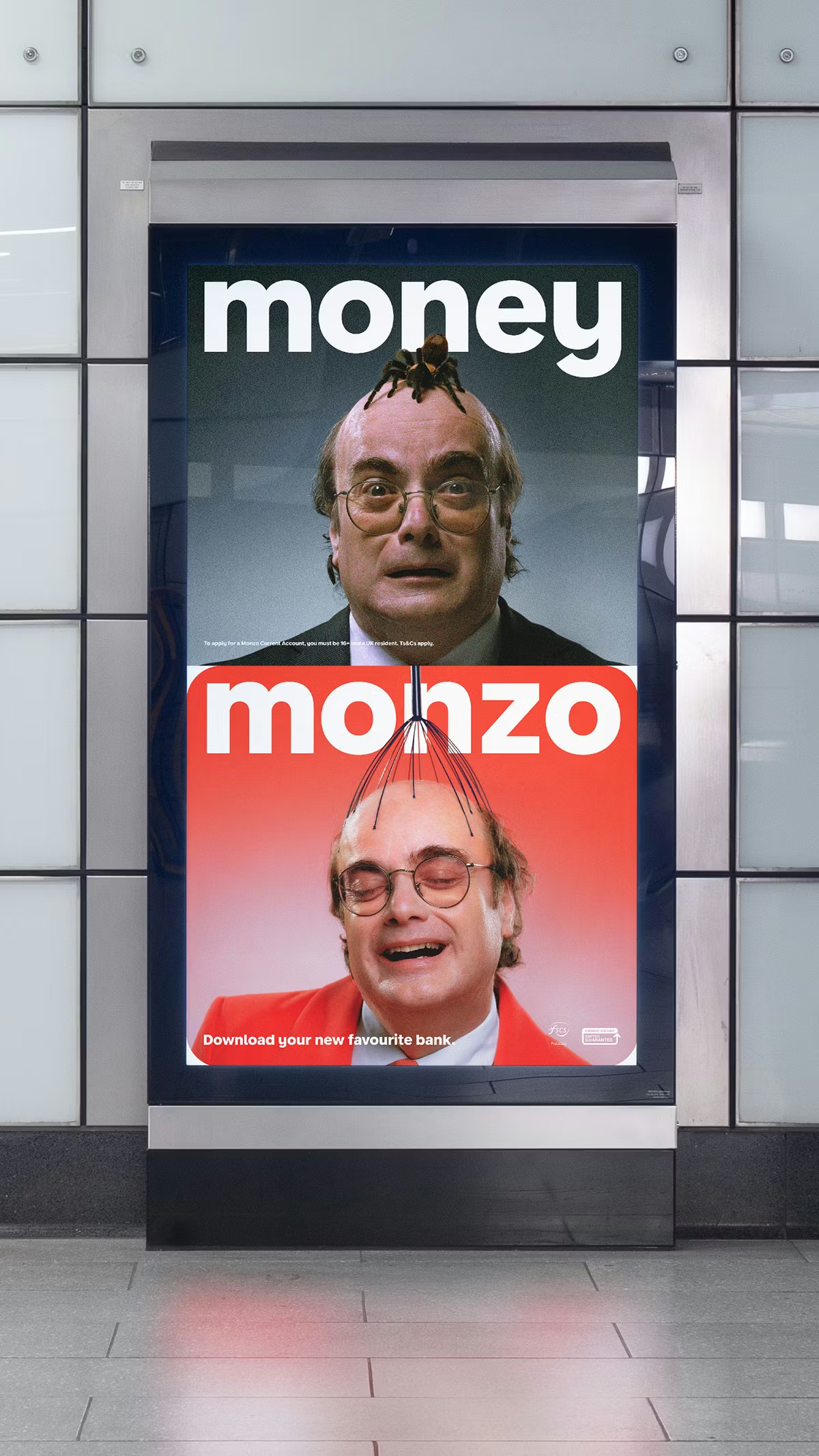
Monzo

Monzo turned banking into a social dialogue by letting users shape the product and content. Their tone feels human, and their community does half the marketing for them.
Monzo Community Banking Campaign

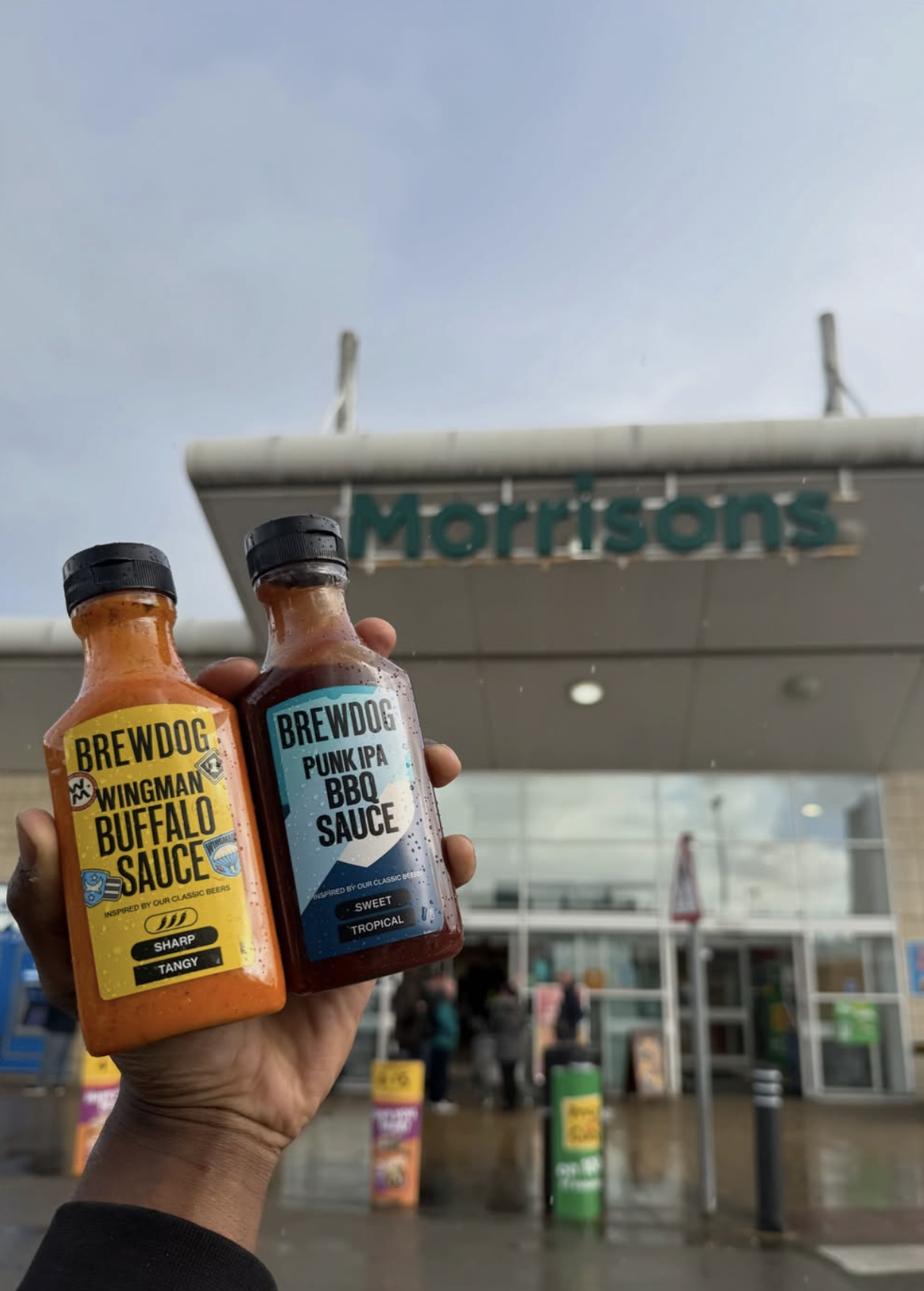
BrewDog

BrewDog nailed local relevance by running city-specific social pages that speak directly to local fans. Their bold voice and climate-first messaging turned beer into a movement.
BrewDog Local Marketing

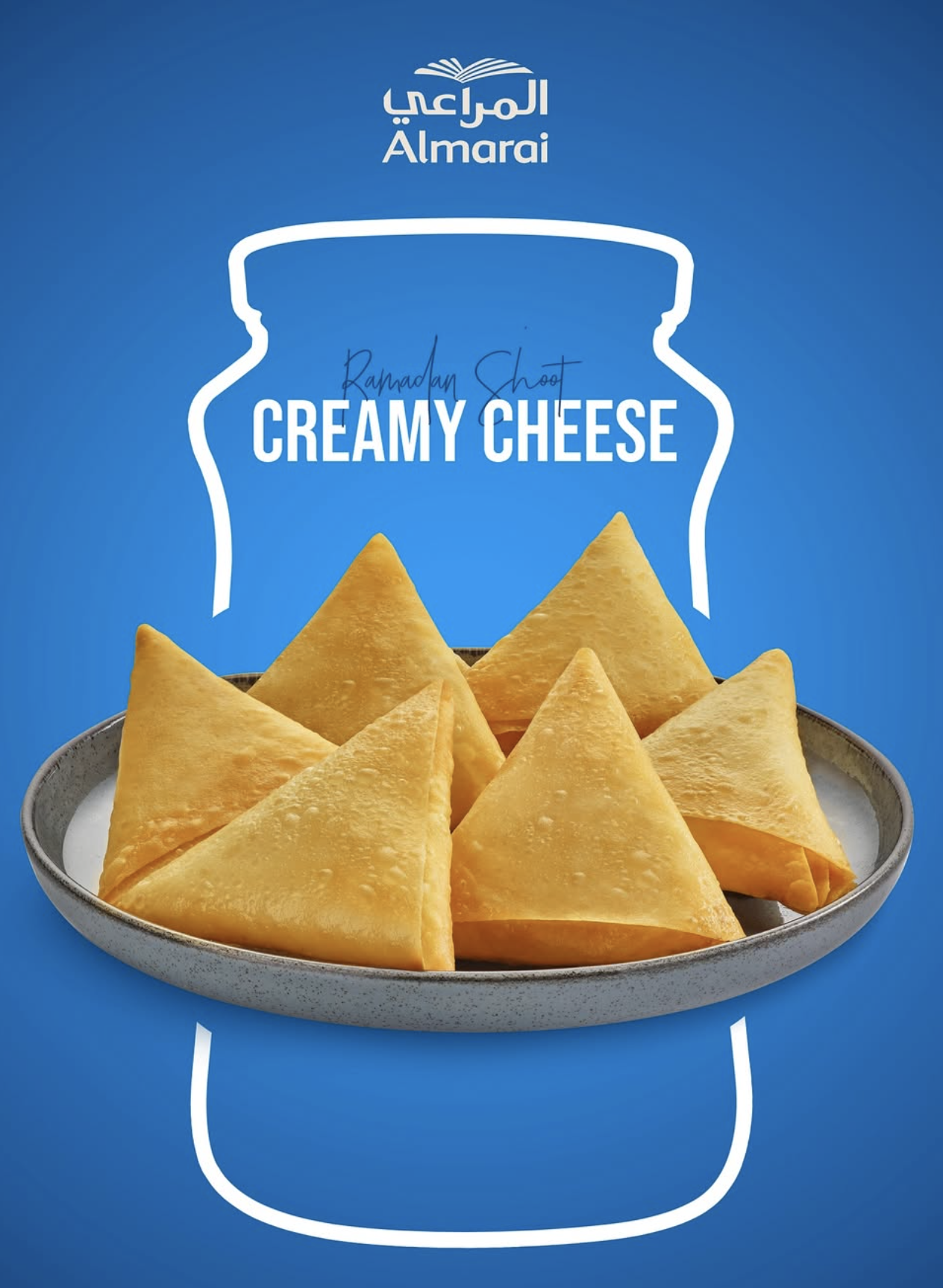
Almarai

Almarai builds deep emotional trust through consistent, culturally respectful storytelling—especially during Ramadan and Eid. No stunts, just values-driven connection that lasts.
Almarai Ramadan Campaign

2025 Trends: What Smart Brands Are Doing

From personalisation to sustainability, here’s how winning brands are staying relevant this year.

Social media branding in 2025 isn’t about shouting louder—it’s about showing up smarter.
Leading brands are adapting to shorter attention spans, shifting algorithms, and rising expectations
for value-driven storytelling. What’s working now is subtle, strategic, and deeply aligned with audience values.

Micro-influencers, interactive content, AI-powered scheduling, and localised storytelling are dominating feeds—
especially in markets like the UK and Saudi Arabia, where cultural nuance plays a big role in digital engagement.

Smart brands are also investing in long-form content and community building. Instead of chasing trends,
they’re anchoring their presence in real connection, strategic consistency, and meaningful conversations.
It’s not about going viral—it’s about staying valuable.
Social Media Trends in 2025 - Omar Abbas

Your next step starts here!

Let’s connect to bring your ideas to life with strategic thinking, compelling design, and tailored digital solutions. Book a free consultation to discuss your project and how we can build a brand experience that stands out.